
Chemical coating materials play a crucial role in protecting surfaces from damage. These coatings provide a barrier that shields surfaces from environmental factors such as moisture, UV radiation, and chemicals. This article will explore some of the top chemical coating materials, including the versatile polyurea.
Polyurea Coatings
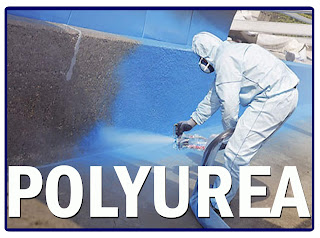
Polyurea is a standout material in the world of chemical coatings. It forms when an isocyanate reacts with a resin blend, creating a fast-curing, highly elastic polymer. Polyurea coatings are known for their durability and flexibility, making them suitable for various applications.
The rapid curing time of polyurea is one of its most significant advantages. This allows for quick application, minimizing downtime. Polyurea’s flexibility helps it adhere to various surfaces, preventing cracks and ensuring long-term protection. These coatings are resistant to abrasion, chemicals, and UV radiation, making them ideal for industrial flooring, roofing, and marine environments.
Epoxy Coatings
Epoxy coatings are widely used for their strength and durability. These coatings are created by mixing an epoxy resin with a hardener, resulting in a tough, adhesive layer. Epoxy coatings are known for their excellent adhesion to different substrates, including concrete, metal, and wood.
Epoxy coatings provide strong resistance to chemicals, moisture, and impact. This makes them ideal for industrial settings where surfaces face harsh conditions. In residential settings, epoxy is often used for garage floors and countertops due to its durability and aesthetic appeal. Epoxy coatings can be customized with various colors and finishes, enhancing both functionality and appearance.
Polyurethane Coatings
Polyurethane coatings are versatile and protective. These protective coatings are formed by reacting an isocyanate with a polyol, creating a durable and flexible polymer. Polyurethane coatings are highly resistant to abrasion, chemicals, and UV radiation, making them suitable for various applications.
Polyurethane coatings are used in industrial flooring, automotive finishes, and marine environments. They provide a smooth, glossy finish that enhances the appearance of the coated surface. The flexibility of polyurethane allows it to absorb impacts and resist cracking, ensuring long-lasting protection. These coatings can be applied in thin layers, making them ideal for projects where a thick coating is not desirable.
Silicone Coatings
Silicone coatings, made from silicone polymers, offer excellent resistance to high temperatures and environmental conditions. They provide a flexible and durable protective layer. Silicone coatings are used in various applications, including roofing, automotive, and electronic components.
Silicone coatings are highly resistant to UV radiation, moisture, and chemicals, making them suitable for use in harsh environments. They have excellent adhesion to various substrates, including metal, plastic, and glass. Silicone coatings maintain their properties over a wide temperature range, making them ideal for applications that require stability in extreme heat or cold.
Acrylic Coatings
Acrylic coatings are water-based sealants known for their ease of application and versatility. They are made from acrylic polymers and provide a durable and flexible protective layer. Acrylic coatings are used in various applications, including roofing, masonry, and metal surfaces.
Acrylic coatings are highly resistant to UV radiation and weathering, making them suitable for outdoor use. They provide good adhesion to a variety of substrates and can be applied using brushes, rollers, or sprayers. Acrylic coatings are also available in different colors and finishes, allowing for greater design flexibility. Their low VOC content makes them environmentally friendly and safe for indoor applications.
Fluoropolymer Coatings
Fluoropolymer coatings are known for their exceptional chemical resistance and low friction properties. These coatings are made from fluorinated polymers, providing a tough, non-stick surface. Fluoropolymer coatings are used in various applications, including industrial machinery, cookware, and automotive parts.
Fluoropolymer coatings provide excellent resistance to chemicals, heat, and abrasion. Their low friction properties make them ideal for applications where a smooth, non-stick surface is required. These coatings maintain their properties in extreme conditions, ensuring long-lasting protection.
Zinc-Rich Coatings
Zinc-rich coatings offer excellent corrosion protection. These coatings contain a high percentage of zinc dust, providing a sacrificial layer that protects the underlying metal. Zinc-rich coatings are commonly used in the construction and marine industries to protect steel structures from rust and corrosion.
Zinc-rich coatings provide excellent adhesion and durability, ensuring long-term protection for metal surfaces. They are often used as a primer, providing a strong base for additional coatings. These coatings are effective in preventing rust and corrosion, extending the lifespan of steel structures and reducing maintenance costs.
Conclusion
Chemical coating materials play a vital role in protecting surfaces from environmental damage. Polyurea stands out for its rapid curing time, flexibility, and durability, making it suitable for various applications. Epoxy, polyurethane, silicone, acrylic, fluoropolymer, and zinc-rich coatings each offer unique properties that make them ideal for specific uses.
Understanding the different types of chemical coatings and their benefits helps in selecting the right material for a project. Whether you need protection for industrial flooring, roofing, automotive finishes, or marine environments, there is a chemical coating material that meets your needs. By choosing the appropriate coating, you can ensure long-lasting protection and maintain the integrity of your surfaces.