
Protective coatings play a role in maintaining the quality and lifespan of surfaces. Whether it’s machinery or everyday items, these coatings serve as a shield against elements, physical damage, and chemical exposure. The effectiveness of these coatings relies heavily on the chemicals they contain. Understanding how protective coating chemicals work can offer insights into their importance.
The main purpose of coatings is to create a barrier that shields a surface from its surroundings. This barrier helps slow down or prevent corrosion, wear and tear, and chemical harm. Sealing chemicals in these coatings is crucial to ensuring they perform under the circumstances. For example, coatings used in settings must resist saltwater corrosion, whereas those applied on equipment must endure impacts and chemical interactions.
A key component in coatings is resin. Resins serve as the binding agent that keeps all the elements of the coating intact and firmly attached to the surface being protected. The type of resin chosen determines the coating’s strength, flexibility, and ability to withstand conditions. Polyurea stands out as a type of resin renowned for its resistance to abrasion and flexibility.
When polyurea is used in a coating, it creates a flexible layer that can withstand impacts and resist wear, making it well-suited for industrial purposes.
Another key element in the chemical composition is the curing agent. These agents initiate the chemical process, turning the liquid coating into a durable film. Isocyanates are commonly employed as curing agents in polyurea coatings. When combined with the resin, these chemicals form a polymer network that gives the coating its qualities. The speed and effectiveness of the curing process are vital for applying the coating in environments where quick turnaround times are crucial.
Additives are also incorporated into coatings to improve their characteristics. For instance, UV stabilizers can protect the coating from deterioration due to sunlight exposure. This is particularly important for applications where UV rays can lead to cracking, fading, or loss of properties in coatings. By integrating UV stabilizers, manufacturers ensure the coating remains efficient under sunlight.
Apart from UV stabilizers, other additives such as plasticizers, pigments, and fillers serve different functions. Plasticizers enhance the flexibility of the coating, enabling it to expand and contract with temperature variations without developing cracks. Pigments provide color and opacity to the coating, while fillers boost thickness and help reduce costs.
Every additive in the mix has a role, contributing to how the protective coating performs.
When formulating coatings it’s important to take into account the impact of the chemicals being used. In times there has been a shift towards more environmentally friendly coatings that aim to reduce volatile organic compounds (VOCs) and other harmful emissions. These newer coatings are typically water based or have VOC content, which helps minimize harm to the environment while still maintaining performance levels. For instance advancements in polyurethane coatings have made them a feasible option compared to solvent based coatings due to their similar durability and protection qualities with lesser environmental risks.
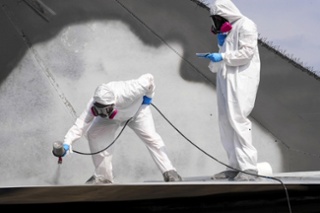
Applying coatings requires attention to detail regarding both the chemical properties involved and the surface being coated. Proper surface preparation is essential in ensuring that the coating adheres correctly. Provides protection. This preparation process often entails cleaning, sanding or priming the surface to eliminate any impurities and create a texture for bonding with the coating. Once the surface is ready the coating is applied using techniques like spraying, brushing or rolling based on factors such, as the type of coating being used and the size of the area being coated.
The effectiveness of a coating not relies on the chemicals utilized but also heavily on how well it is applied. A precise application method ensures that an even consistent layer is formed across all surfaces for coverage.
Deficiencies or irregularities, in the coating may compromise its ability to protect potentially causing damage and requiring repairs.
To sum up the chemicals used in coatings play a role in safeguarding surfaces from environmental and physical harm. Resins curing agents and additives collaborate to form a shield that resists corrosion, wear and chemical threats. Understanding the functions of these chemicals aids in choosing the coating for uses and ensures long lasting protection for the surface. With advancements, in chemistry protective coatings will likely provide better defense while minimizing environmental impact.